
Puerto Rico doesn’t need a sales pitch. The island sells itself — 500-year-old cobblestone streets, a rainforest in the U.S. National Forest System, bioluminescent waters that glow electric blue at night, and a food culture serious enough to anchor a trip on its own.
What most travel guides get wrong is the geography. They cover Old San Juan thoroughly, mention El Yunque, note that the bioluminescent bays are worth seeing — and then stop. Puerto Rico has a west coast, a south coast, a central mountain range, offshore islands, hidden canyons, world-class surf, and culinary traditions that have nothing to do with tourist corridors. You miss all of it if you stay tethered to San Juan.
This guide covers all of it. Twenty-seven things to do in Puerto Rico, organized by the experience, not the location — so you can build a real itinerary, not just a bucket list.
01Walk Old San Juan’s 500-Year-Old Streets
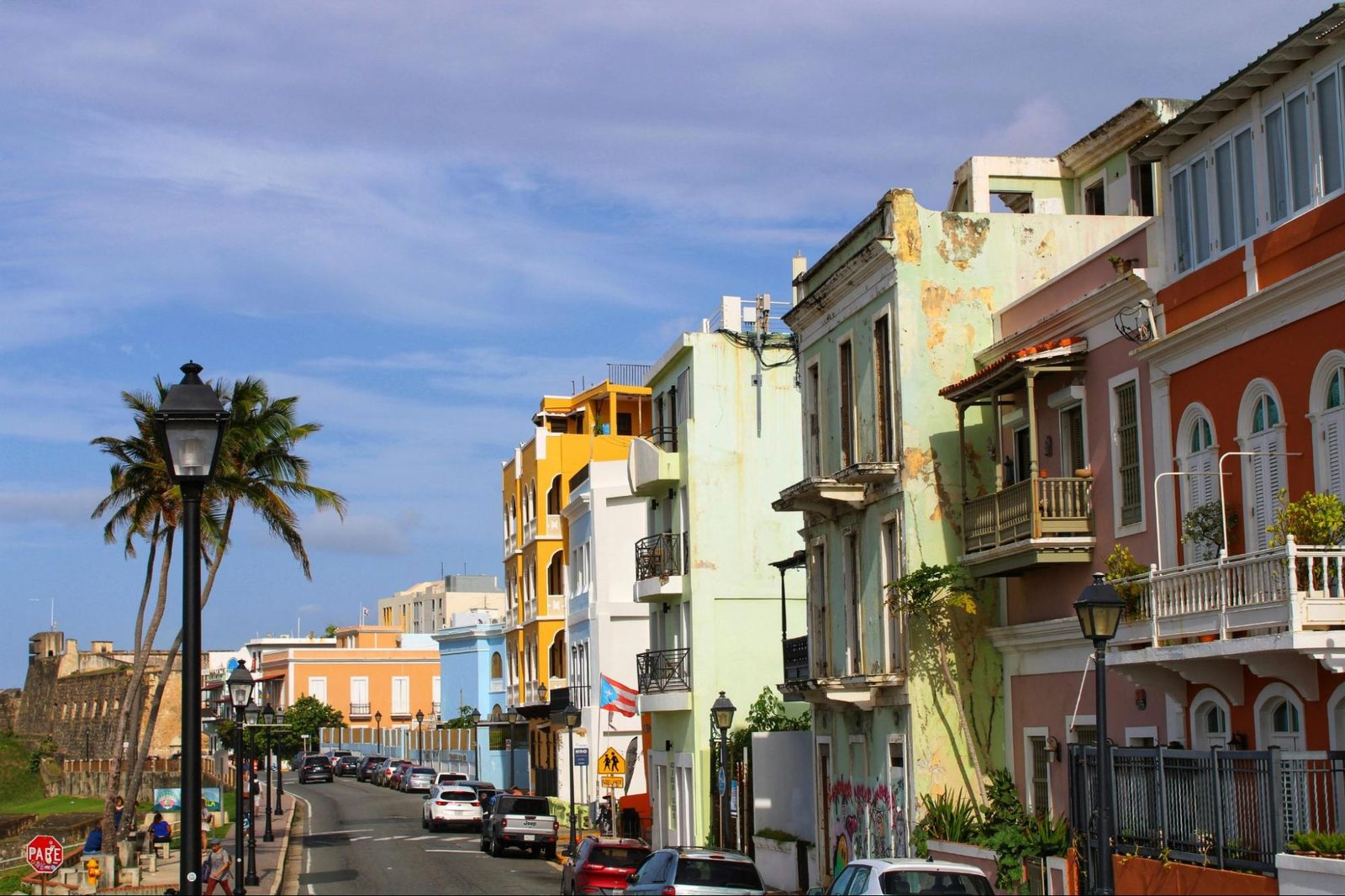
Start here. Not because it’s the most dramatic thing on this list, but because nothing else in the Caribbean looks like this — blue cobblestone streets (adoquines, made from iron-furnace slag ballast brought over by Spanish ships), pastel colonial buildings stacked on a limestone peninsula, 16th-century walls dropping straight into the harbor.
The best itinerary: start at Paseo de la Princesa along the waterfront, walk west along the city walls as the sun drops, arrive at El Morro just before dusk. From there, cut back through Calle del Cristo for shopping, stop at Café Manolín for café con leche, and end the evening at La Factoría on Calle San Sebastián — one of the top 50 bars in the world, and the location used in the “Despacito” video.
For day trips, don’t miss Chocobar Cortés (an all-chocolate menu; the hot chocolate with sea salt is mandatory), Barrachina for a piña colada in the open-air courtyard, and the colorful staircase murals on Calle del Cristo.
Practical note: Old San Juan is best explored on foot. Cobblestones and narrow streets are hard on low-profile tires — park in Condado and Uber in, or use the free Garita Cart shuttle between landmarks.
02Tour Castillo San Felipe del Morro
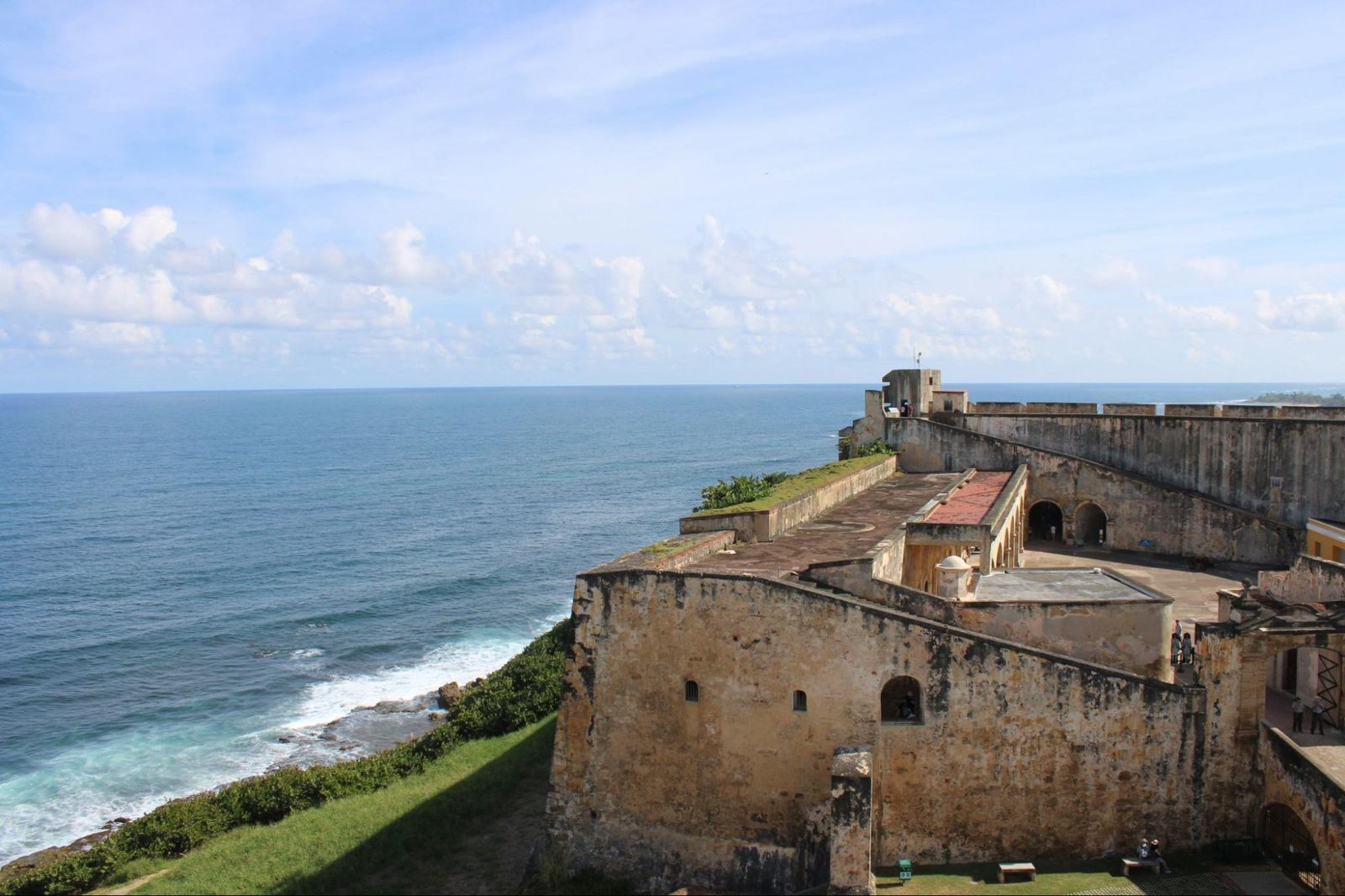
El Morro is the image that defines Puerto Rico from the outside. The six-story fortress — begun in 1539 and expanded over two centuries — juts into the harbor at the northwest tip of Old San Juan, its watchtowers (garitas) framing one of the most photographed views in the hemisphere.
Inside: tunnels, barracks, a prison, and exhibits on the fortress’s history through Spanish, British, and American occupation. The vast green lawn in front is excellent for kite-flying (vendors sell kites on weekends). Plan 1.5 to 2 hours. It’s part of the San Juan National Historic Site — U.S. citizens get discounted entry.
Pro tip: buy a combined ticket that also covers Castillo San Cristóbal, the massive fortification on the other side of Old San Juan. Between the two, you’ve walked the entire defense perimeter of the Spanish colonial city.
03Hike El Yunque National Rainforest
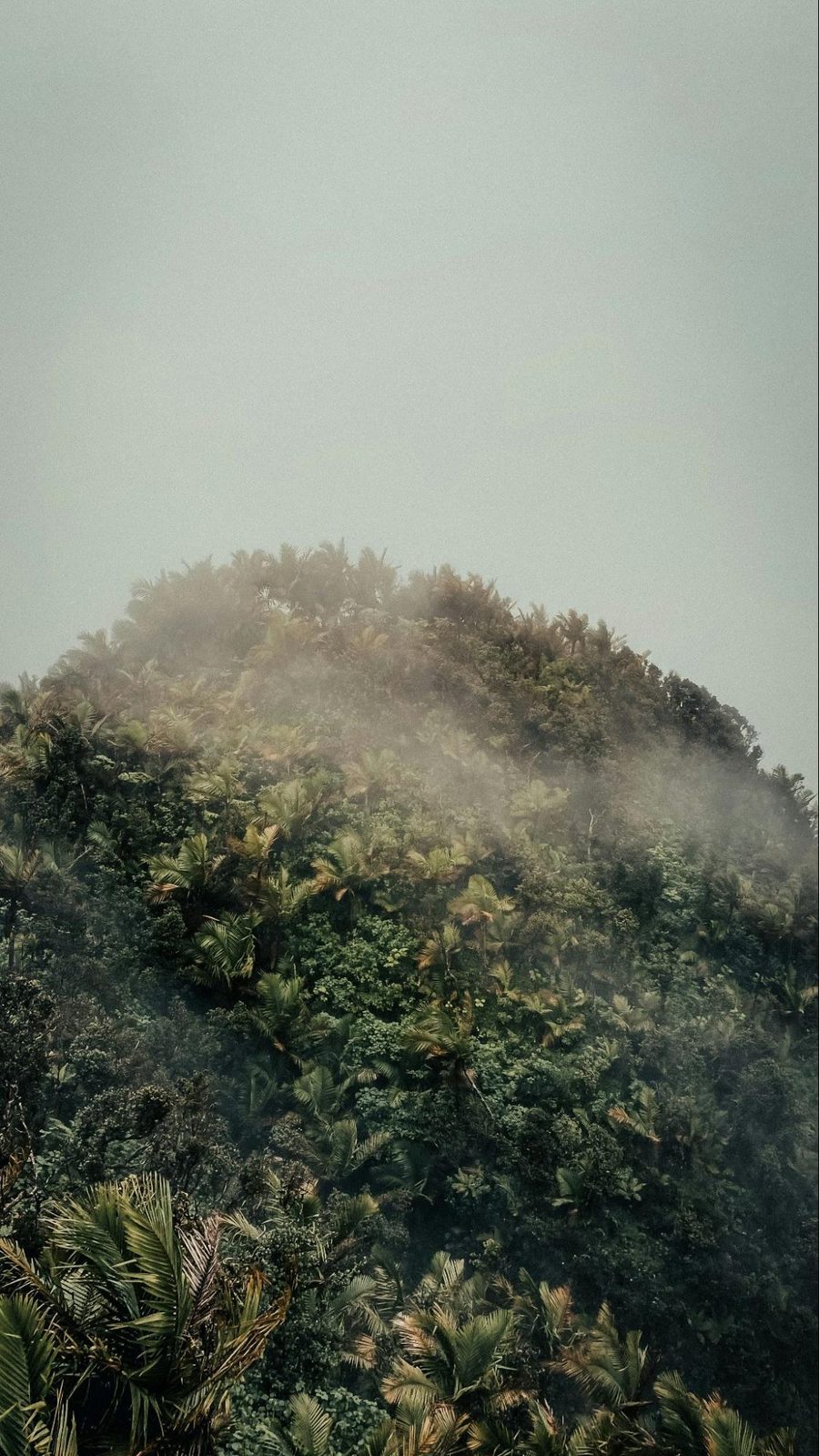
The only tropical rainforest in the U.S. National Forest System. Twenty-nine thousand acres, 240+ tree species, 25 waterfalls, the endangered Puerto Rican parrot (fewer than 500 remain in the wild), the beloved coquí tree frog you’ll hear every night on the island — El Yunque is genuinely irreplaceable and worth the hour drive east from San Juan.
Key stops: La Coca Waterfall (visible from the road, no hike required), Yokahú Observation Tower (360-degree views over the canopy to the Atlantic), and Mt. Britton Tower if conditions are clear. For actual hiking, the Angelito and La Mina trails lead to swimmable pools and falls with modest effort.
Reservations are required — book ahead at recreation.gov ($2 entry). Weekends fill up months in advance.
Driving note: PR-66 east from San Juan is smooth, modern, and well-maintained — a pleasure in any vehicle. PR-191 into the forest itself gets narrow and steep; luxury SUVs handle it fine, but lowered vehicles should stay on the entry road.
04Kayak a Bioluminescent Bay
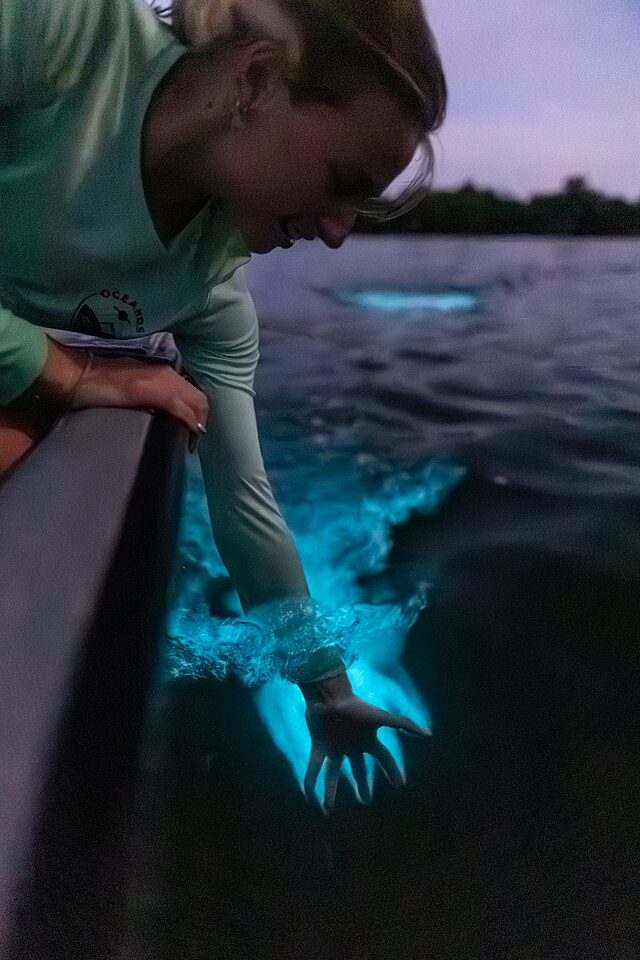
Puerto Rico has three of the world’s five bioluminescent bays. The blue-green light comes from dinoflagellates — microscopic organisms that emit light when disturbed — and the effect on a calm, moonless night is one of the most genuinely otherworldly experiences in the Western Hemisphere.
| Bay | Location | Access | Notes |
|---|---|---|---|
| Mosquito Bay, Vieques | Offshore island | Ferry + local kayak tour | Brightest in the world (Guinness) |
| Laguna Grande, Fajardo | East coast | ~1 hr from San Juan | Most accessible; glass-bottom kayaks available |
| La Parguera, Lajas | Southwest | ~2 hrs from San Juan | Only bay where swimming is still allowed |
Critical tip: Visit within 3 days of a new moon. A full moon kills the effect entirely. Tours run $48–$76 per person and book out weeks in advance during new moon windows.
Having your own car means you can time your arrival around sunset, eat at a waterfront spot in Fajardo first, and stay as late as you want — rather than being tied to a tour group’s schedule. Luxury car rental in Puerto Rico delivered to your Condado or Isla Verde hotel makes the Fajardo run easy and direct.
05Spend a Day on Flamenco Beach, Culebra
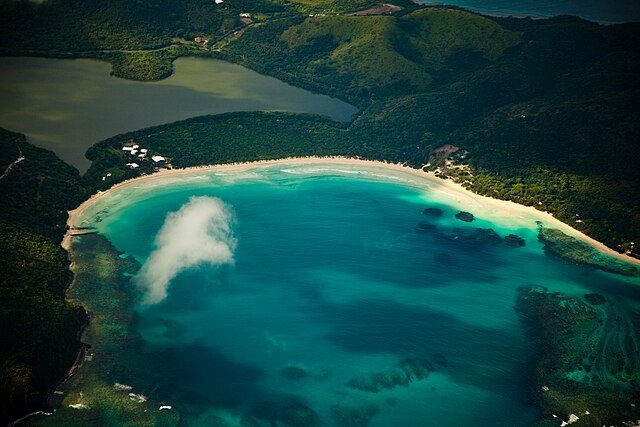
Consistently ranked among the top 10 beaches in the world, and it earns it. A one-mile horseshoe of crushed white coral sand, water ranging from turquoise to deep blue, and almost no development behind the beach. No chain restaurants, no resort towers, no jet skis.
Don’t miss the rusted WWII-era Navy tank on the beach — a monument to the island’s complicated military history, it’s been repainted by local artists hundreds of times and is now one of Puerto Rico’s most distinctive photo subjects.
Beyond Flamenco: hike 20 minutes to Carlos Rosario Beach for some of the best snorkeling in Puerto Rico, or catch a water taxi to Culebrita island for a lighthouse, tide pools, and complete solitude.
Culebra is reached by ferry from Ceiba (45 min–1 hr 15 min, $4.50 each way) or short flight. Ferry tickets sell out six weeks in advance — book before anything else.
06Explore Vieques — Wild Horses, Empty Beaches, the World’s Brightest Bio Bay
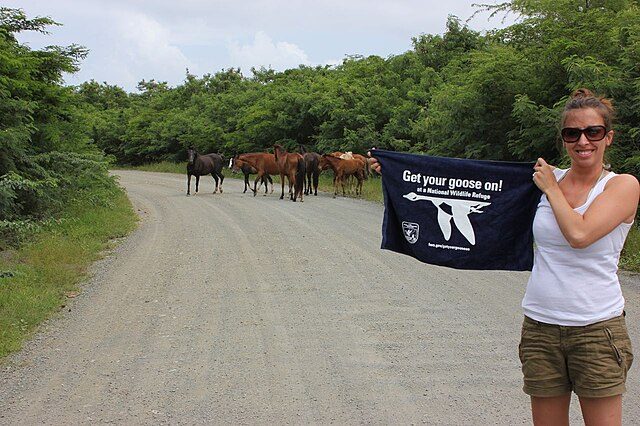
Puerto Rico’s largest offshore island is five times bigger than Culebra and far less visited than it deserves. The Vieques National Wildlife Refuge protects 40 undeveloped beaches — including Red Beach (Playa Caracas) and Blue Beach (La Chiva), both reliably among the most beautiful in the Caribbean. Wild horses roam the roads and beaches freely.
The two towns — Isabel Segunda and Esperanza — have excellent small restaurants, a waterfront malecón boardwalk, and the unhurried rhythm of a place that hasn’t been discovered by mass tourism. Plan a minimum of two nights; ideally three.
And of course: Mosquito Bay. The world’s brightest bioluminescent bay, by Guinness World Records. Worth the ferry just for this.
07Eat Whole Roasted Pig on Guavate’s “Pork Highway”

Route 184 through Cayey is one of the most distinctly Puerto Rican experiences on this list, and it’s one most first-timers never find. About 45 minutes south of San Juan via PR-52, Guavate is a stretch of mountain road lined with open-air lechoneras — restaurants serving whole pigs slow-roasted over charcoal for 8+ hours, carved to order, served with mofongo, arroz con gandules, morcilla, and cold Medalla.
This is chinchorreo culture — communal, noisy, unhurried, occasionally involving salsa dancing in the parking lot at noon on a Sunday. The standout stop is El Rancho Original, the first and most famous, with a full dance floor. Bring cash. Arrive before noon on weekends before the best cuts run out.
After eating, cool off at Charco Azul — a swimming hole in Bosque Estatal de Carite, 10 minutes further up the mountain.
The drive note: PR-52 south from San Juan is arguably the best highway driving experience on the island — smooth, well-maintained, dramatic as it climbs through the Cordillera Central. It’s the road that makes having a performance car feel justified.
Skip the rental counter.
Palm Exotic Rentals delivers luxury and exotic vehicles directly to your hotel or SJU airport. Start your Puerto Rico drive the moment you land.
Browse the Fleet08Dance the Night Away at La Placita de Santurce
By day, La Placita de Santurce is a traditional covered market — 100+ years old, fruit stalls and butchers and a tobacco kiosk with what’s claimed to be the world’s longest cigar hanging from the ceiling.
By Thursday and Friday nights, it becomes something else entirely: an outdoor block party radiating from the market into surrounding streets, with 20+ bars and restaurants spilling onto the sidewalks, live salsa, and a crowd that ranges from neighborhood regulars to tourists who found their way here by accident and stayed until 1 AM.
Cocktails run $5–$8. Alcohol sales stop at 1 AM. For dinner before the scene starts, Santaella — chef José Santaella’s flagship restaurant on the market’s edge — is one of the island’s best.
09Drive PR-52 Through the Mountains to Ponce
This could be a destination or a drive — ideally both.
PR-52, the Luis A. Ferré Highway, runs 74 miles from San Juan south to Ponce, crossing the Cordillera Central through passes and valleys with mountain fog, occasional wind farms, and views that open to the Atlantic on one side and the Caribbean on the other at various points. Speed limits range from 45 mph in the mountain section to 65 mph on the southern flats.
Stop at Guavate (Exit 32) for lechón. Continue to Ponce.
For drivers who want to feel what they’re behind — the M3’s inline-six pulling through those mountain curves, the Escalade settled and composed on the highway — this is the road. It’s the PR-52 that earns the luxury car.
10Discover Ponce, “The Pearl of the South”
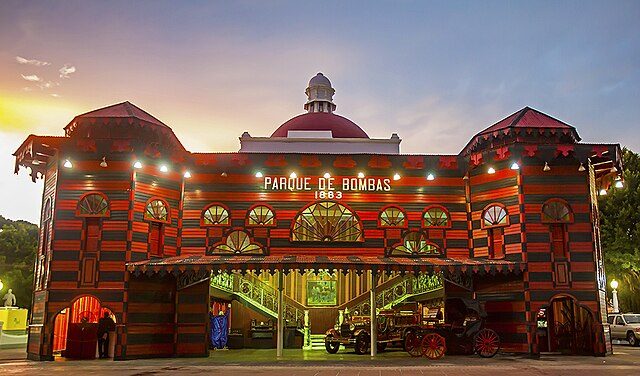
Puerto Rico’s second city gets embarrassingly little coverage in travel guides. One and a half hours from San Juan, Ponce has a colonial center that rivals Old San Juan for architecture and surpasses it for atmosphere — without the cruise ship crowds.
Plaza Las Delicias anchors the city: the iconic Parque de Bombas (a vivid red-and-black striped Victorian firehouse, now a museum), the Fuente de Los Leones fountain, and the Cathedral of Our Lady of Guadalupe. Sit at a café table in the square and watch the city operate. This is not tourist infrastructure — it’s actual Ponce.
From the plaza:
- Museo de Arte de Ponce — one of the finest art collections in the Caribbean, anchored by pre-Raphaelite and European Baroque works
- Castillo Serrallés — the Don Q rum family’s hilltop mansion, with tours, a Japanese garden, butterfly house, and mixology workshops
- Tibes Indigenous Ceremonial Center — the largest pre-Taíno ceremonial site in the Caribbean, with ball courts and petroglyphs dating to 600–1200 CE ($3 admission)
If you’re visiting in February: Ponce Carnival features the most elaborate vejigante masks in Puerto Rico.
11Tour Casa Bacardí Rum Distillery
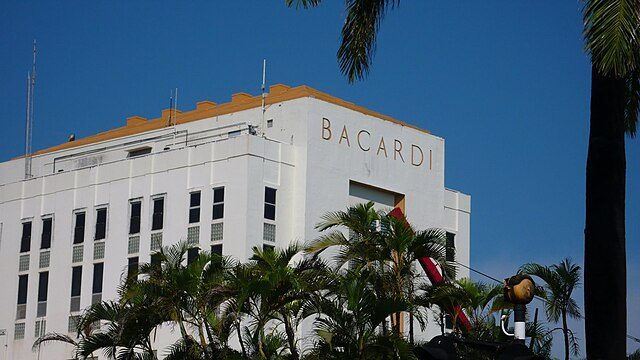
Located in Cataño, about 25 minutes from San Juan, Casa Bacardí is the world’s largest premium rum distillery — and one of the best spirits tours available anywhere in the United States.
The experience starts with a welcome cocktail and a short film on the Bacardí family’s founding in 1862 Cuba and their exile to Puerto Rico. Options range from a basic Historical Tour (welcome drink included) to hands-on Mixology classes in a dedicated cocktail lab. The gift shop carries exclusive expressions not available elsewhere.
It’s genuinely educational, genuinely generous, and a logical half-day add-on to Old San Juan since you’re already on the north coast.
12Drink a Piña Colada at Its Birthplace
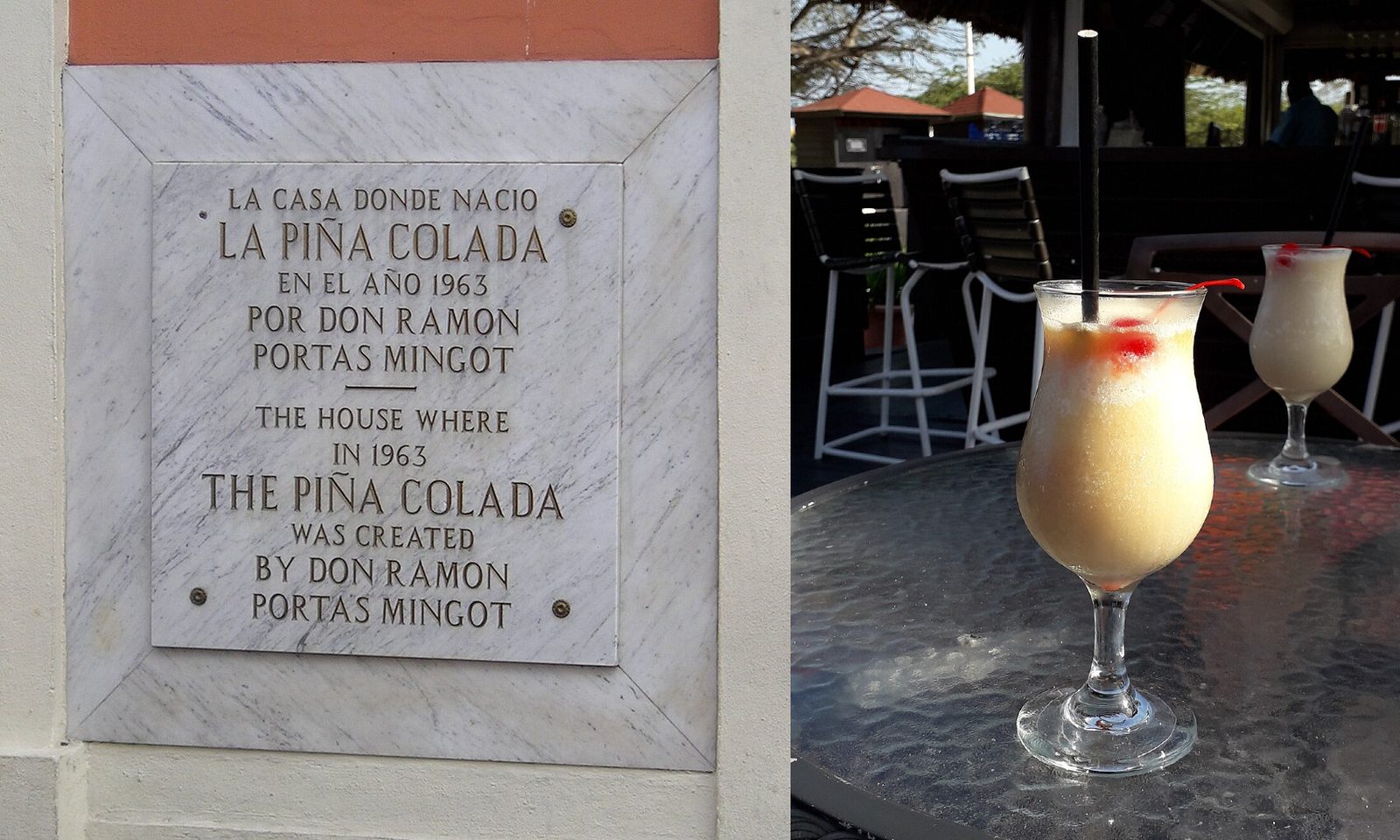
Puerto Rico is the official birthplace of the piña colada, and there are two competing claims worth visiting:
Barrachina Restaurant in Old San Juan has a plaque. The open-air courtyard is a natural stop — expect to wait, or use the to-go counter. The Caribe Hilton counter-claims that bartender Ramón “Monchito” Marrero invented the drink there in 1954. Visit both. Form an opinion.
The ritual matters less than the fact that you’re drinking this cocktail in the place it came from, on an island where coconuts and pineapples grow roadside. Context is everything.
13Snack on Frituras at Piñones
Route 187, 15 minutes east of Isla Verde. Piñones is an Afro-Caribbean enclave that has maintained its cultural identity through bomba music, community organizing, and roadside food that is the best of its kind on the island.
Kiosks serve alcapurrias (taro and plantain fritters filled with meat or crab), bacalaítos (crispy salted cod fritters, usually eaten in seconds), empanadillas de jueyes (crab turnovers), and fresh coco frío from macheted green coconuts. El Boricua is the standout kiosk.
There’s also a six-mile boardwalk through Puerto Rico’s largest mangrove forest, with bike rentals available from CicloNatura ($5/hour).
This is not a tourist attraction. That’s the point.
14Cruise the Piñones Coastal Road at Golden Hour
PR-187 through Piñones is one of the most photogenic coastal drives in Puerto Rico — palm trees leaning over the road on both sides, the Atlantic on your left, mangrove forest on your right, kiosks and fishing boats and the faint smell of frying food.
At golden hour on a weekday, with light traffic, this road in a luxury convertible or performance car is the Puerto Rico experience that travel guides don’t describe because it’s hard to photograph. It’s kinetic.
Critical note: Avoid weekends. Cars line both sides of PR-187 for miles on Saturday and Sunday afternoons. The magic is entirely weekday-dependent.
Palm Exotic Rentals delivers throughout the San Juan area — including Condado, Isla Verde, and Carolina — which puts you within 15 minutes of this drive from essentially any major hotel.
15Find Mar Chiquita’s Natural Pool
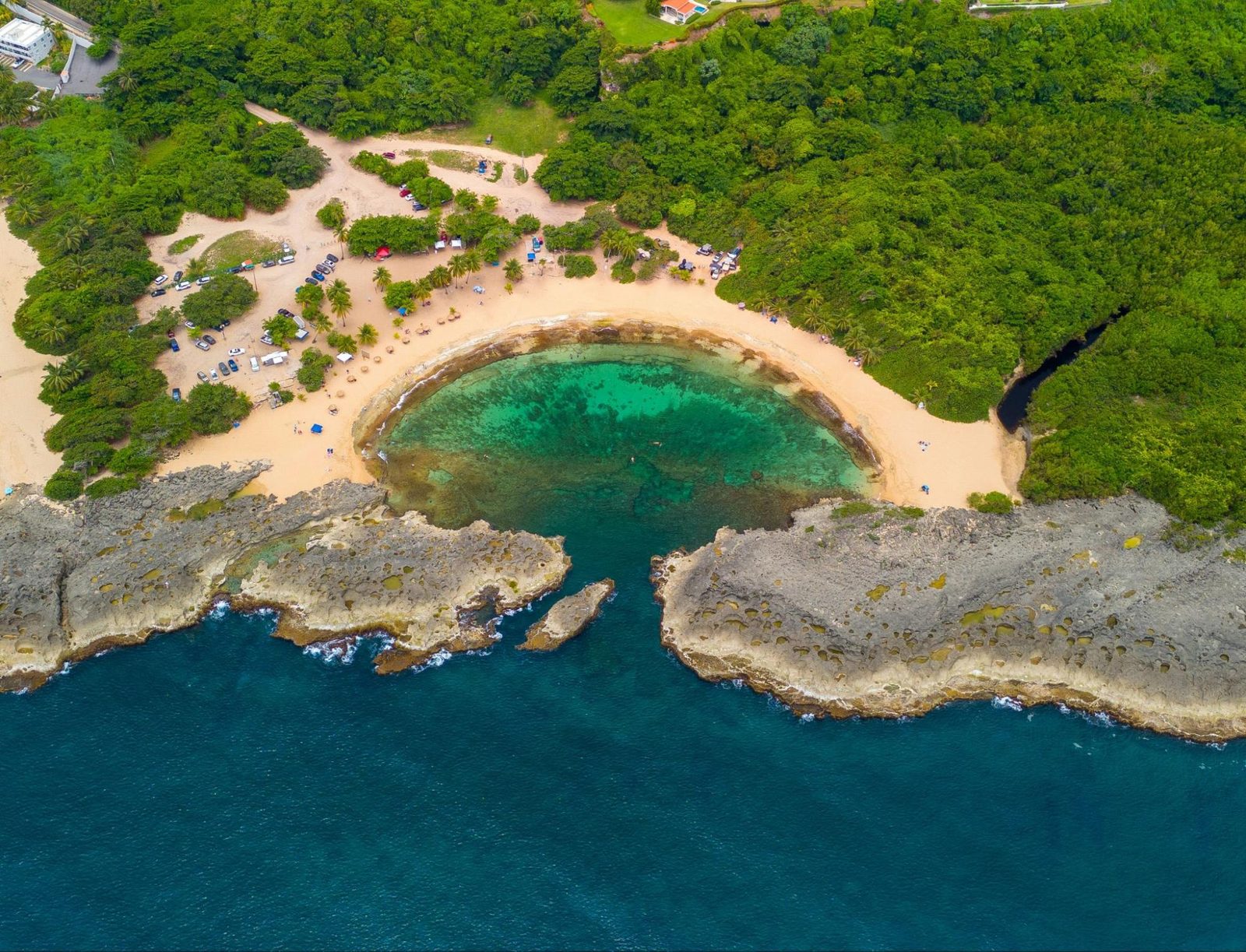
About 45 minutes west of San Juan near Manatí, Mar Chiquita is a natural cove enclosed by limestone formations that break the open Atlantic swells and create a calm, turquoise swimming pool inside. Dramatic waves crash against the outer rock walls. Inside, the water is warm, clear, and protected.
It’s one of the most photographed natural formations on the island and one of the least crowded if you arrive early on a weekday. Free to visit — just pay for parking. This is what a hidden gem actually looks like: not inaccessible, just slightly off the main route, and better for it.
16Chase Waterfalls at Gozalandia
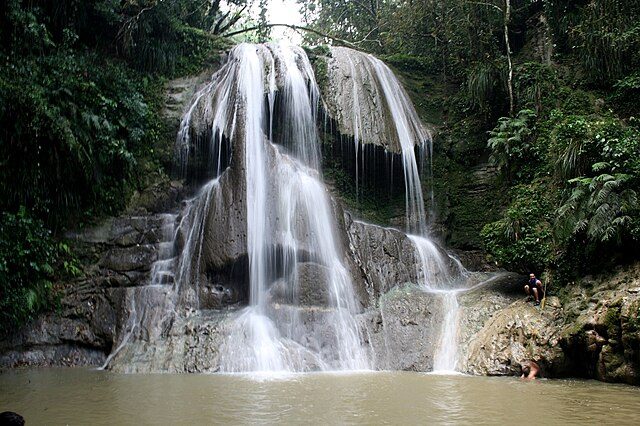
Gozalandia, in San Sebastián on the west-central part of the island (~2 hours from San Juan, 50 minutes from Rincón), features two stunning cascades — the upper falls plunge roughly 50 feet into a deep, swimmable blue-green pool, with a small underwater cave in the rock face beside the landing pool.
Recent improvements have added paved walkways and proper stairs. Admission is $5 for parking. Bring water shoes, cash, and a swimsuit.
Best paired with a day trip anchored in Rincón — head to Gozalandia in the morning, catch Crash Boat Beach in Aguadilla for the afternoon, and be back in Rincón for sunset.
17Cave Hop at Cueva Ventana and Cueva del Indio
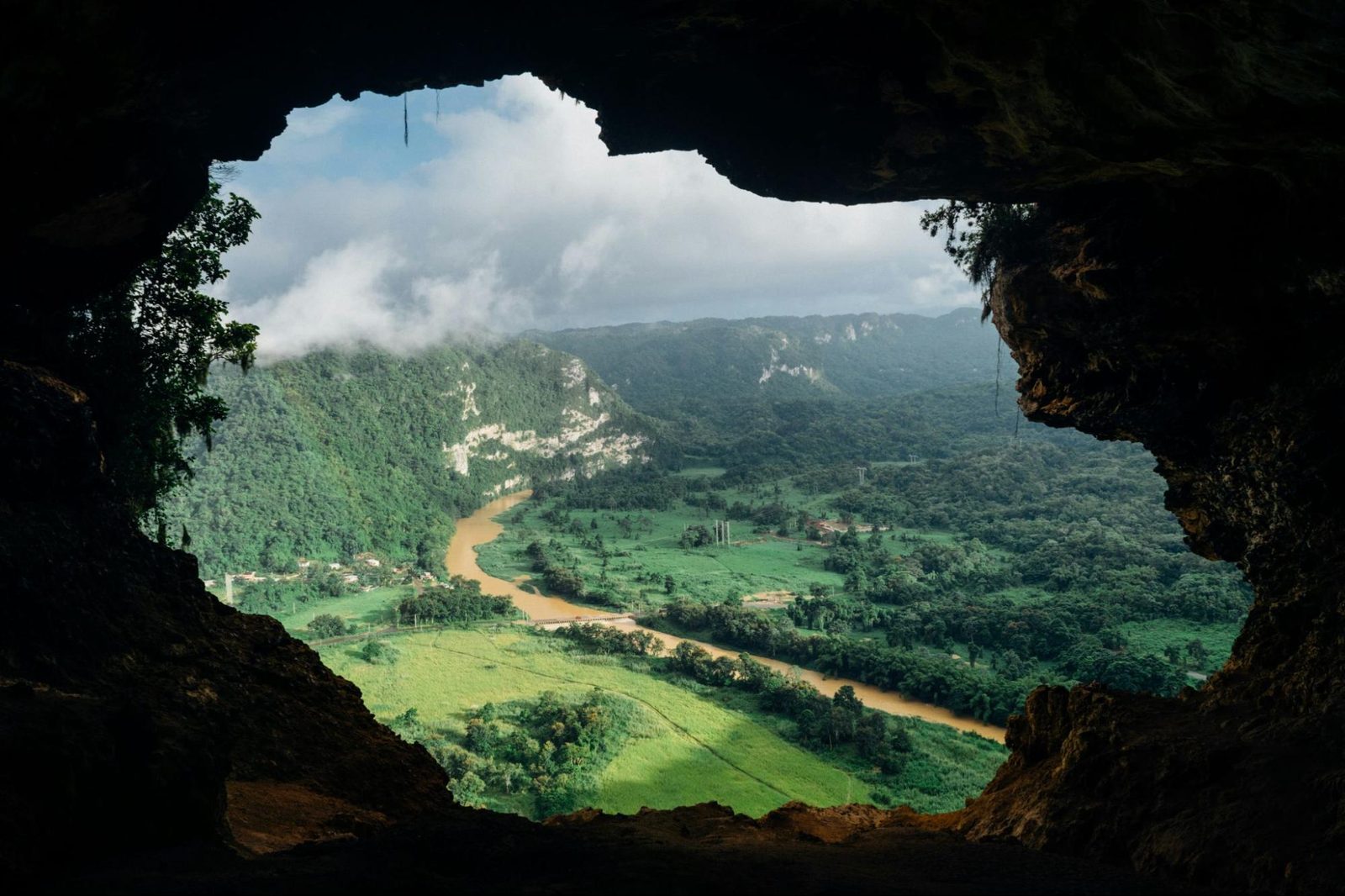
Both caves are near Arecibo, about 1.5 hours west of San Juan, and together make for a genuinely memorable half-day.
Cueva Ventana (Window Cave) is exactly what the name implies: a cave opening that frames a panoramic view of the Río Grande de Arecibo valley — a geological slot framing lush green ridges and the river below. Inside: stalactites, Taíno petroglyphs, and bat colonies. The guided tour covers about 400 meters.
Cueva del Indio, 20 minutes north on the Atlantic coast, features dramatic eroded limestone formations and additional Taíno rock carvings on cliffs above crashing waves. The coastal setting is striking.
Between the two, you’ve covered underground geology and pre-Columbian history in a single afternoon.
18Drive to Cabo Rojo’s Salt Flats and Lighthouse
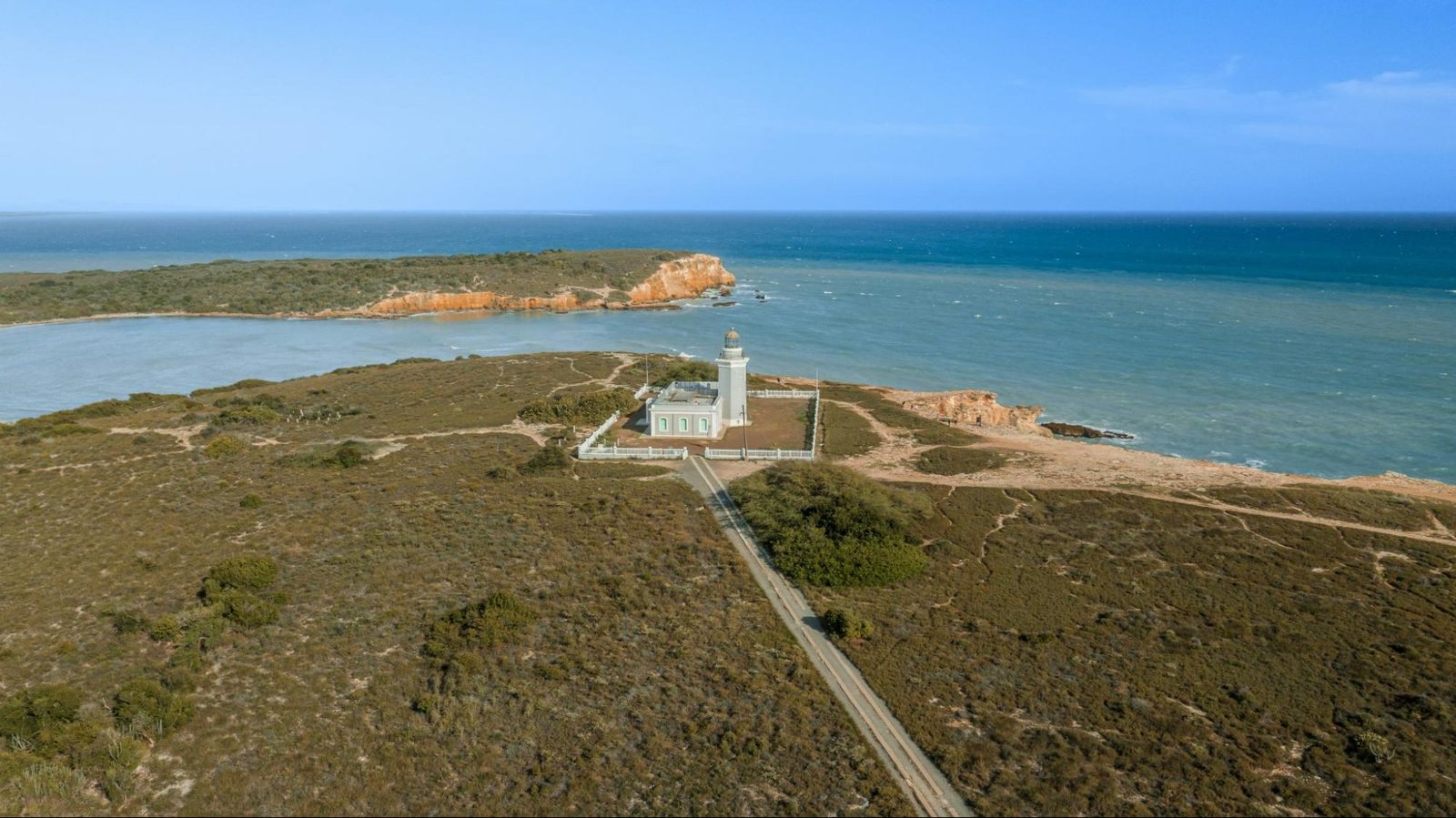
The southwestern tip of Puerto Rico holds two of the island’s most photographed landscapes: the pink salt flats of the Cabo Rojo National Wildlife Refuge, and the 1882 Faro Los Morrillos lighthouse perched on white limestone cliffs with 360-degree views over the Caribbean.
Below the lighthouse cliffs: Playa Sucia (misleadingly named — it’s pristine and usually uncrowded). Hidden a short walk further: Punta de Piedra, a cliff-edge viewpoint that most visitors miss entirely.
Important driving note: Route 301 to the lighthouse has severe potholes and unpaved sections — not suitable for exotic or lowered cars. Drive a luxury SUV to Cabo Rojo town and navigate from there. The BMW X7 or Cadillac Escalade in Palm Exotic’s fleet is built for exactly this kind of terrain.
19Swim at Charco El Hippie (Near El Yunque, Zero Crowds)
On El Yunque’s southern slopes, near Naguabo and Río Blanco, Charco El Hippie is a series of swimming holes and small waterfalls set in lush rainforest — with Taíno petroglyphs visible in the rock faces nearby. Almost entirely empty on weekdays.
Entry is free; $5 cash for parking. Pair it with Las Pailas (a natural rock waterslide down a gradual waterfall, $10 parking + $1 per person) for a full El Yunque day that skips the reservation-required forest entrance entirely.
This is the local knowledge version of El Yunque. The scenery is as beautiful as the official trails — and you’ll have it to yourself.
20Zipline “The Monster” at Toro Verde
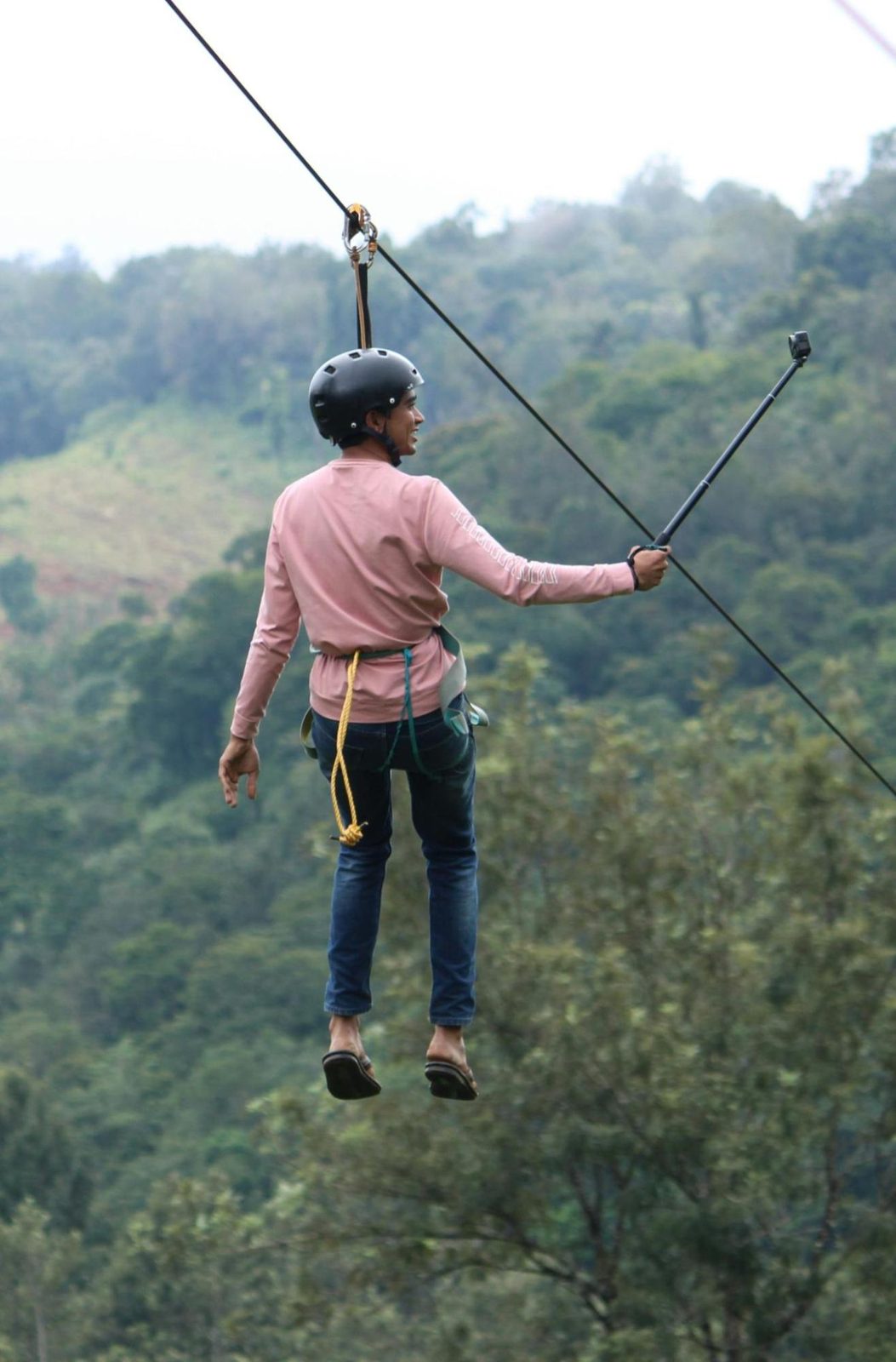
Toro Verde Nature Adventure Park in Orocovis, roughly 90 minutes south of San Juan, is home to one of the longest ziplines in the world — over 1.5 miles, at speeds reaching 95 mph, over the ridges of the Toro Negro mountain range.
The elevation puts you in cloud forest terrain: cool temperatures, verdant peaks, and valley views that look nothing like the coastal Puerto Rico most visitors see. Multiple zipline courses for different thrill levels, suspension bridges, and rappelling round out the offerings.
If you’ve never been over a mountain on a steel cable at near-triple-digit speeds, this is the place to start.
21Surf — or Just Watch — in Rincón
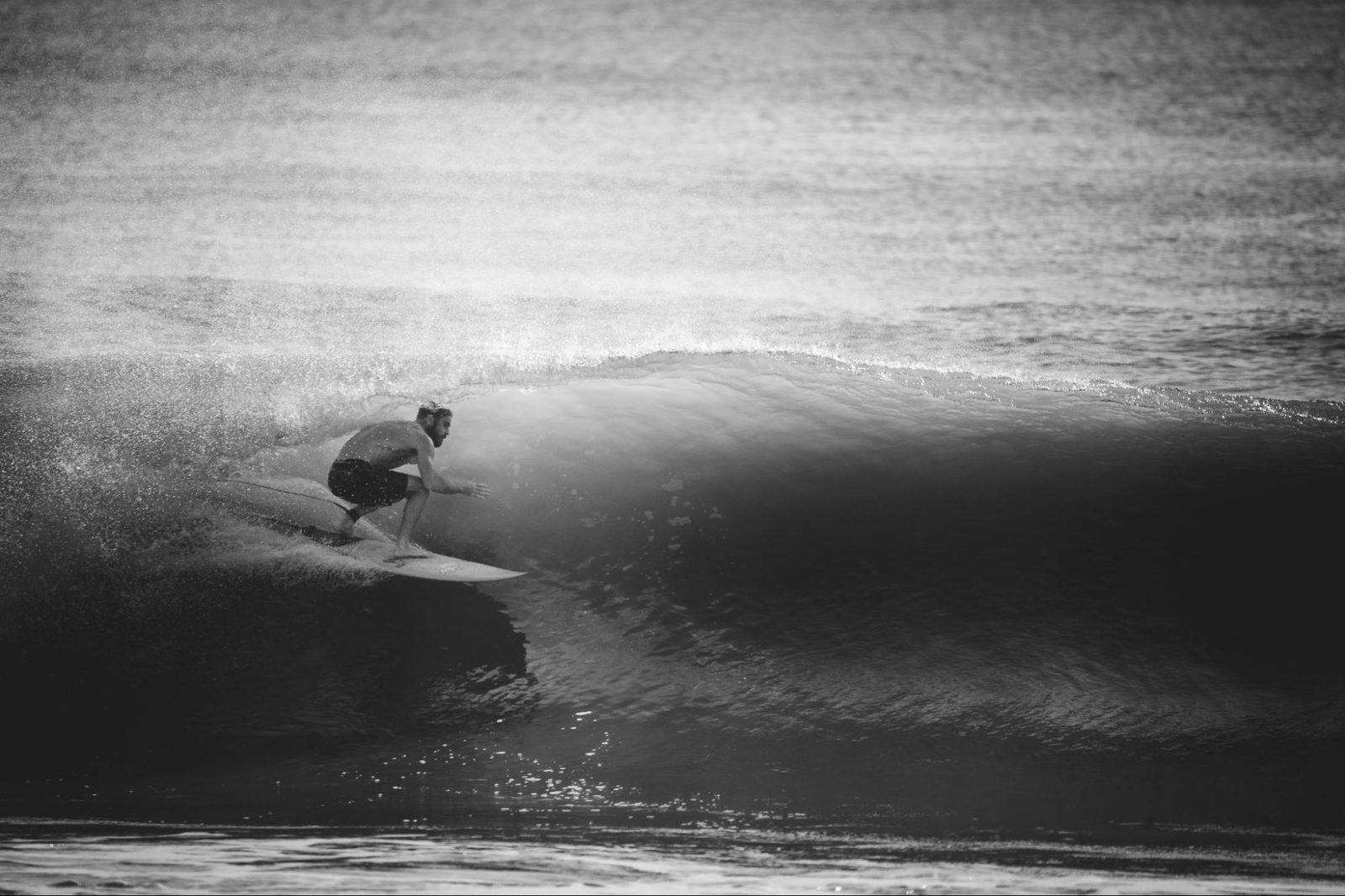
Puerto Rico’s far western tip is the uncontested surfing capital of the Caribbean, and in the December-to-April swell season, the waves at Domes Beach, María’s Beach, and Sandy Beach are world-class — varied enough for beginners, big enough to draw professionals.
Tres Palmas, for advanced surfers only, produces waves up to 30 feet during major northwest swells. If you’re not surfing, Punta Higüera Lighthouse park offers a viewpoint for humpback whale watching from January through March — whales come within a hundred yards of shore during the season.
Off the water: the Rincón vibe is unhurried in the best way. The Rincón Beer Company has 16 local brews on tap. There’s a weekly Thursday Art Walk, a Sunday farmers market, and a rotation of low-key restaurants that punch well above the town’s size.
The drive to Rincón — PR-22 west, transitioning to scenic PR-2 along the northwest coast — is one of the most enjoyable long highway stretches in Puerto Rico. Two and a half hours from San Juan in something that makes the distance feel like the destination.
22Snorkel the West Coast’s Underwater Paradise
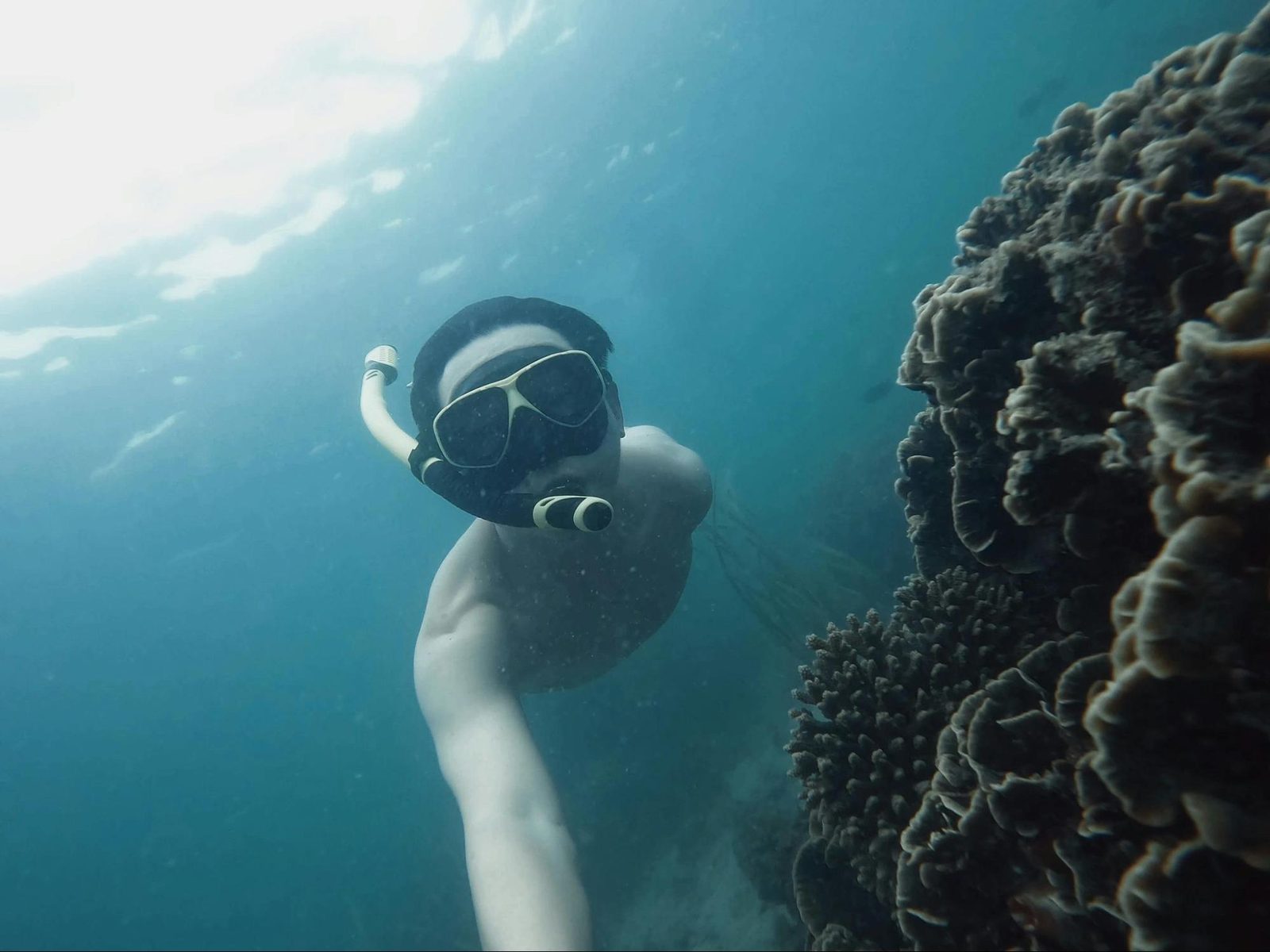
Steps Beach in Rincón offers reliable sea turtle encounters in shallow water accessible from the shore. Cayo Ballena and offshore sites around Rincón and Aguadilla have calm, clear water with healthy coral and significant marine life.
For the more serious: Desecheo Island (accessible by boat from Rincón) and Mona Island — nicknamed the Galápagos of the Caribbean — offer world-class diving with sharks, dolphins, pristine reefs, and almost no other people. Day and overnight dive trips available from Rincón-based operators.
Closer to San Juan, catamaran tours from Fajardo to Cayo Icacos include snorkeling, lunch, and rum punch — a reliable half-day for non-divers wanting clear Caribbean water.
23Island-Hop to Culebrita or Cayo Icacos
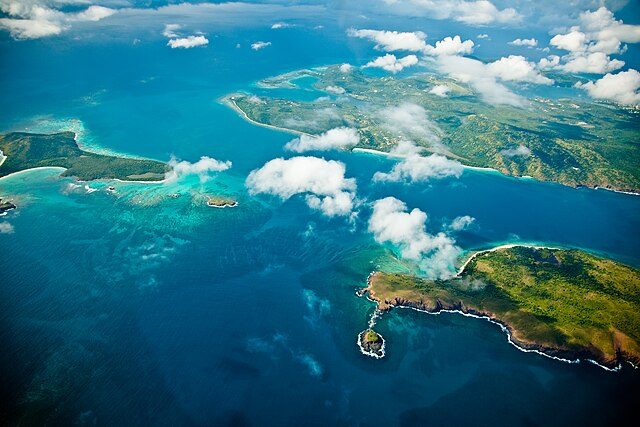
The deserted island experience exists in Puerto Rico, and it’s closer than you think.
Culebrita — a 15-minute water taxi from Culebra’s ferry dock — is uninhabited except for a decommissioned lighthouse (1882) at its peak and tide pools along its leeward edge. The beach on the north side is arguably better than Flamenco itself, and you may have it entirely to yourself.
Cayo Icacos, accessible by boat from Fajardo (~30 min), is a small uninhabited cay ringed by crystal-clear water and vibrant coral — the kind of place that looks like a travel poster and feels like a secret. Most operators offer full-day tours with snorkeling, lunch, and open bar.
Between these two, you have a deserted island experience that rivals anything in the more-traveled Caribbean.
24Sip Artisan Coffee at a Mountain Hacienda
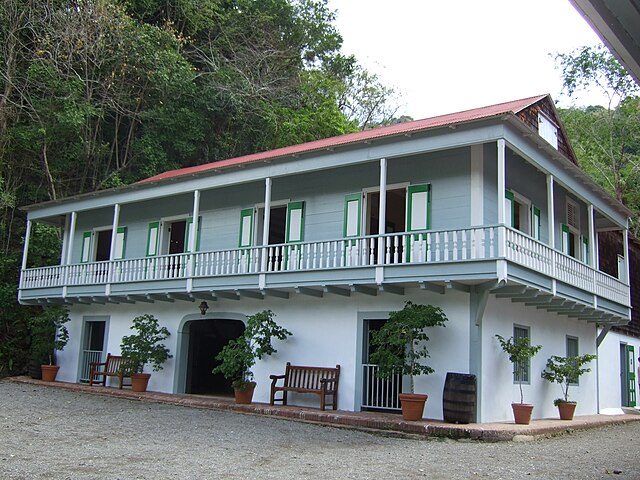
Puerto Rico was a world-class coffee producer in the 19th century — the Vatican is said to have served only Puerto Rican coffee for decades — and the mountain estates that survived the transitions of the 20th century are still producing exceptional beans at 2,000+ feet elevation.
A few worth visiting:
- Hacienda San Pedro (Jayuya) — three-generation family estate with a Taíno artifact museum, roastery, and hilltop café
- Hacienda Tres Ángeles (Adjuntas) — Puerto Rico’s first certified agrotourism farm; Saturday tours by reservation
- Hacienda Buena Vista (Ponce) — a beautifully restored 1830s estate with hydro-powered processing demos, operated as a living museum
The mountain roads to these haciendas reward a vehicle with clearance and composure. A luxury SUV — the BMW X7 or Cadillac Escalade — handles the terrain well and arrives in style.
25Day-Trip the East Coast: PR-66 to Fajardo
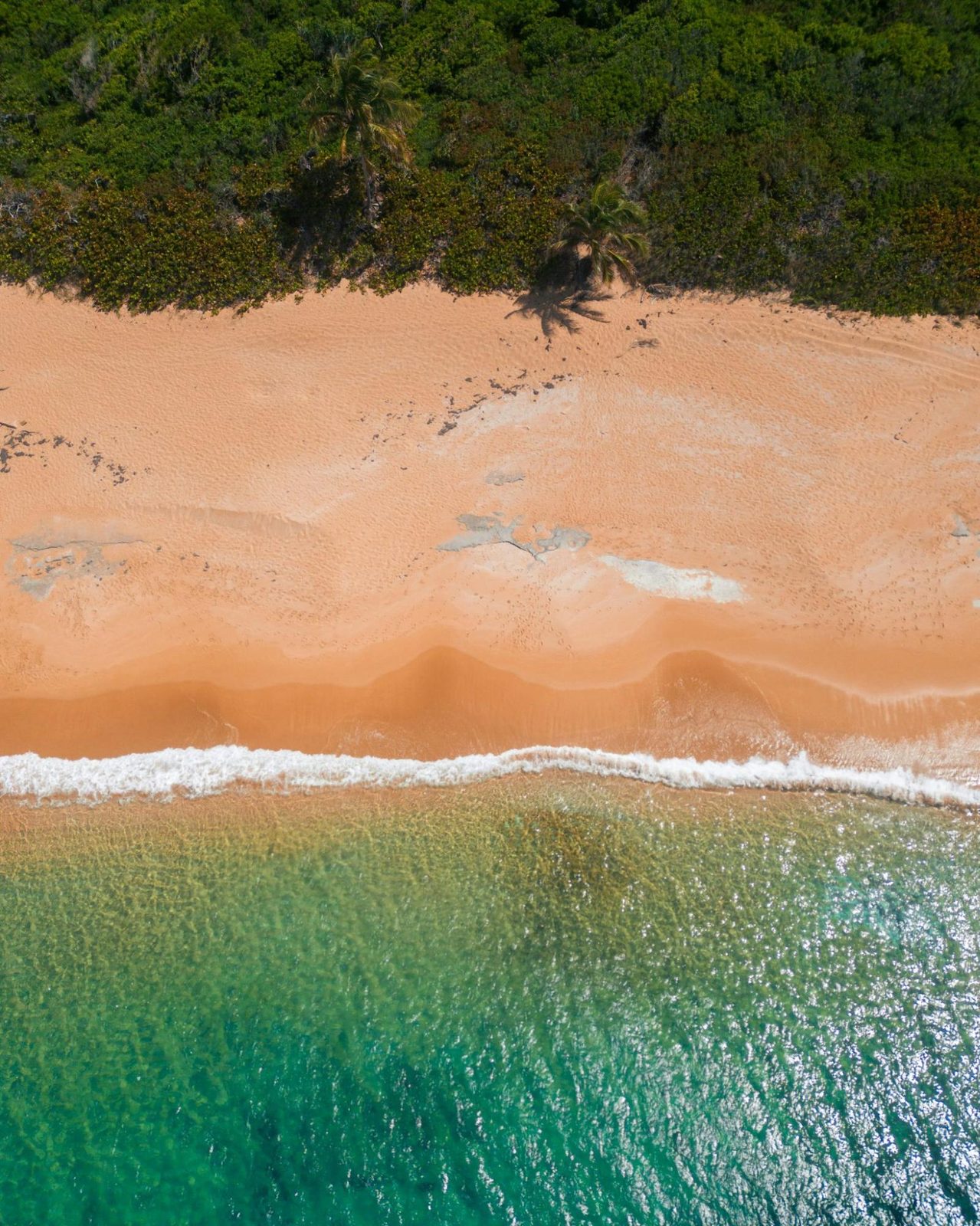
PR-66 is one of Puerto Rico’s newest toll highways — smooth, modern, and fast — and it opens the entire east coast from San Juan in under an hour.
The route: San Juan → PR-66 (toll) → Route 3 → Fajardo. As you go, El Yunque’s peaks rise above the road to the south. The coastline opens up near Luquillo, home to Balneario de Luquillo — a calm, palm-backed beach with food kiosks selling alcapurrias and fresh seafood directly on the sand (the only beach in Puerto Rico with that configuration).
End at Fajardo for a sunset dinner on the marina, a bioluminescent bay kayak tour after dark, or a full day’s sailing to Cayo Icacos. The drive back to San Juan at night, windows down on the empty toll highway, is the kind of thing you remember.
26Resort-Hop from Condado to Dorado
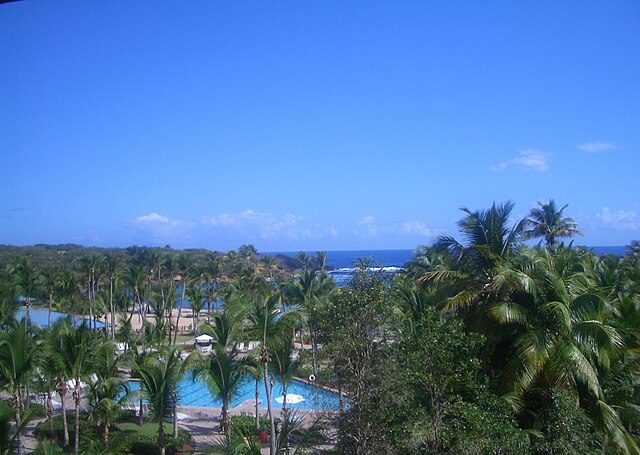
Twenty-five miles west of San Juan on PR-22, Dorado Beach — a Ritz-Carlton Reserve property set on the grounds of the old Rockefeller family estate — is arguably the finest resort in Puerto Rico and one of the finest in the Caribbean. Spa Botánico treehouse treatments, four miles of private beach, and the kind of service that earns a Forbes Five-Star.
The Four Seasons Puerto Rico in Río Grande (rebranded from St. Regis in late 2025) adds another landmark to the east coast. Closer to San Juan, the Condado Vanderbilt on Ashford Avenue is a 1919 Spanish Revival landmark with a rooftop pool, casino, and one of the island’s best fine dining rooms.
Resort-hopping in Puerto Rico is its own category of experience — and arriving at any of these properties in a Lamborghini Urus or an Escalade ESV changes the arrival. Palm Exotic Rentals delivers throughout Condado, Dorado, and the San Juan metro. The chauffeur option (Cadillac Escalade, $125/hour, 4-hour minimum) is purpose-built for exactly this kind of day.
27Chill on Condado and Isla Verde Beaches
Not everything needs to be a day trip.
Condado is San Juan’s upscale beach district — golden sand, moderate Atlantic waves, and the Condado Vanderbilt and La Concha Resort as anchors. The Condado Lagoon, just behind the beach strip, offers kayaking, paddleboarding, and occasional manatee sightings at sunset. The terrace bars along Ashford Avenue are purpose-built for golden hour.
Isla Verde (technically in Carolina, 15 minutes from SJU) has calmer, clearer turquoise water — the Atlantic here is warmer and the swells gentler. The Fairmont El San Juan Hotel anchors the Isla Verde strip: 7,000-crystal Chandelier Bar, Club BRAVA nightclub, 13+ dining options. A perfect base if you want beach access and San Juan’s nightlife in the same radius.
Having a car means you can move between Condado and Isla Verde in minutes, depending on where the vibe is.
Frequently Asked Questions
Do I need a car to explore Puerto Rico?
If you’re staying exclusively in San Juan you can manage with Uber and walking. But Uber coverage essentially disappears outside the metro area. To reach El Yunque, Fajardo, Rincón, Ponce, Guavate, or Cabo Rojo, a rental car is essential. Palm Exotic Rentals delivers vehicles directly to your hotel or to SJU airport — no counter, no shuttle, no waiting.
Do you need a passport to visit Puerto Rico?
No. Puerto Rico is a U.S. territory. American citizens need only a valid photo ID. International visitors need the same documentation required for entering the continental United States.
What is the best time of year to visit Puerto Rico?
December through April is peak season: temperatures in the 70s and 80s°F, low humidity, and minimal rain. February through April is the sweet spot — great weather, post-holiday pricing, and humpback whale season.
How many days do you need in Puerto Rico?
Four to five days for San Juan, El Yunque, and one bio bay. Seven to ten days lets you add Rincón, Ponce, Guavate, Vieques or Culebra, and several of the hidden gems on this list.
What is the #1 attraction in Puerto Rico?
El Morro and Old San Juan are the most visited. But the bioluminescent bays — especially Mosquito Bay in Vieques — are consistently described as the single most memorable experience on the island.
What food should I try in Puerto Rico?
Mofongo, lechón at Guavate, alcapurrias and bacalaítos at Piñones, arroz con gandules, and a piña colada at Barrachina. For drinks: Medalla Light and Ron del Barrilito.
Is Puerto Rico safe for tourists?
Yes. Old San Juan, Condado, Isla Verde, Dorado, Rincón, and Fajardo are generally safe for tourists. Puerto Rico’s violent crime rate is lower than several mainland American cities.
What is a coquí?
The coquí is a tiny tree frog endemic to Puerto Rico that produces a two-note call (co-quí) loud enough to fill an entire neighborhood. It’s Puerto Rico’s most beloved animal symbol.
Getting Around Puerto Rico: A Practical Note
Puerto Rico drives on the right, uses U.S. road signs, accepts U.S. driver’s licenses, and has an electronic toll system (AutoExpreso) on major highways. Most rental vehicles come with a pre-installed tag; confirm it’s activated at pickup, as tolls are electronic-only on PR-52, PR-22, and PR-66.
Distances are marked in kilometers; speed limits are in miles per hour. Road conditions vary significantly — the major toll highways are excellent; rural mountain roads and secondary coastal routes require more caution.
Palm Exotic Rentals is available 24/7 at (939) 241-7326. Complimentary delivery throughout San Juan, Condado, Isla Verde, Carolina, and Dorado. Fleet includes the Lamborghini Urus S, BMW M3 Competition, Cadillac Escalade ESV Sport, Tesla Cybertruck, Ford F-150 Raptor, and more. Chauffeur service available for resort visits, weddings, and corporate travel.
Puerto Rico deserves more than a few days in San Juan. This list is 27 reasons why.